If you have noticed cracked bricks, crumbling mortar, water stains near your fireplace, or a chimney that appears to be deteriorating, you may be wondering how much chimney repair costs in Philadelphia, PA. The answer depends on the type of damage, the age and construction of your chimney, and how much work is needed to restore it.
In 2026, minor chimney repairs generally cost around $200 to $850, while more extensive repairs can range from $500 to $7,000. A partial or complete chimney rebuild can cost anywhere from $1,000 to $15,000 or more, depending on the size and structural condition of the chimney.
For Philadelphia homeowners, understanding these costs is especially important. Many local properties have older masonry chimneys that have been exposed to years of rain, snow, temperature changes, and seasonal freeze-thaw cycles. Small cracks or damaged mortar joints can gradually develop into more serious structural problems if they are not addressed.
At Sammy’s Chimney Services, we believe homeowners should understand the available repair options and what influences the final price before starting a project. This guide explains common chimney repair costs, what affects pricing, and how to recognize when your chimney needs professional attention.
What Is the Average Cost of Chimney Repair in Philadelphia?
There is no single price for chimney repair because every chimney has different construction materials, dimensions, and maintenance requirements. A minor chimney cap replacement is considerably less expensive than rebuilding several feet of damaged brickwork or replacing an entire chimney liner.
For general budgeting, homeowners can use the following 2026 cost ranges:
| Chimney Repair Service | Estimated Cost |
|---|---|
| Minor chimney crack repair | $150–$500 |
| Chimney cap replacement | $200–$850 |
| Chimney crown repair | $200–$700 |
| Chimney crown replacement | $1,000–$3,000 |
| Chimney flashing repair | $300–$1,800 |
| Chimney waterproofing | $150–$820+ |
| Chimney tuckpointing and repointing | $500–$2,500 |
| Chimney brick repair | $1,000–$3,500 |
| Chimney liner replacement | $1,500–$7,000 |
| Partial chimney rebuild | $1,000–$5,000+ |
| Complete chimney rebuild | $4,000–$15,000 |
These are general published cost estimates, not fixed Sammy’s Chimney Services prices or guaranteed Philadelphia quotes. Actual costs depend on the project, materials, labor, roof access, and extent of damage.
The biggest factor is usually the amount of deterioration. Repairing a small section of damaged mortar may be relatively straightforward, while extensive water damage can require masonry replacement, crown work, waterproofing, or even a partial rebuild.
Chimney Repair Costs by Type: What Should You Expect to Pay?
Understanding the different types of chimney repairs can help you estimate your potential expenses and recognize which problems need attention.
1. Chimney Masonry Repair and Tuckpointing
Estimated cost: $500–$2,500
Brick and mortar chimneys are constantly exposed to outdoor conditions. Over time, moisture, temperature changes, and general aging can cause mortar joints to weaken, crack, or crumble.
Tuckpointing and repointing are masonry repair methods used to restore deteriorating mortar joints between bricks.
During this process, damaged mortar is carefully removed and replaced with fresh mortar that is compatible with the existing masonry. This helps restore the strength of the chimney while reducing the possibility of moisture entering through damaged joints.
The final price depends on:
- How much mortar needs to be replaced
- The height and dimensions of the chimney
- Roof accessibility and safety requirements
- The type of brick and mortar used
- Whether damaged bricks also need replacement
For Philadelphia homeowners, addressing deteriorating mortar early can help prevent water from entering the chimney structure and causing additional masonry damage.
2. Chimney Crown Repair and Replacement
Estimated cost: $150–$700 for minor repairs; $1,000–$3,000 for replacement
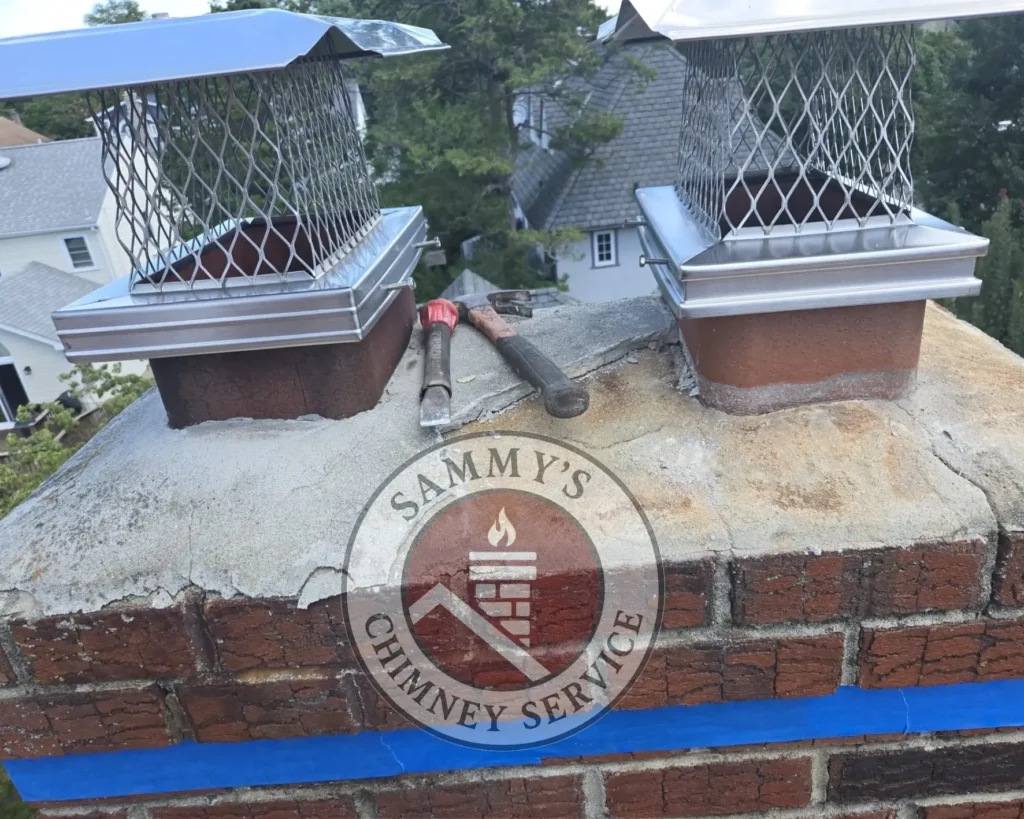
The chimney crown is the protective surface at the top of a masonry chimney. It helps direct rainwater away from the brickwork and prevents moisture from entering the structure.
Over time, exposure to rain, snow, and temperature changes can cause the crown to develop cracks. When water enters these openings, it can contribute to further deterioration, especially during freezing weather.
Minor chimney crown repairs may involve sealing small cracks or restoring damaged areas. However, when the crown has extensive deterioration, a complete replacement may be necessary.
A typical crown repair or replacement project may involve:
- Removing loose or damaged material
- Preparing the existing chimney structure
- Repairing or rebuilding the crown
- Creating proper water-shedding slopes
- Sealing appropriate areas to help prevent moisture intrusion
The cost depends on the crown’s size, material, condition, and accessibility.
It is important to understand that a chimney crown and a chimney cap are two different components. The crown protects the masonry structure, while the metal cap covers the flue opening.
3. Chimney Cap Replacement
Estimated cost: $200–$850
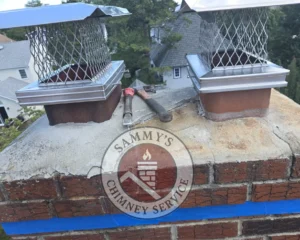
A chimney cap is installed at the top of the flue to help keep rain, debris, and animals from entering the chimney.
A missing, damaged, or improperly fitted cap can leave the chimney exposed to moisture and unwanted debris. It may also create opportunities for birds or other animals to enter and build nests inside the flue.
Replacing a chimney cap is generally less expensive than major masonry work, although the final cost depends on the cap’s size, material, design, and installation requirements.
Common chimney cap options include:
- Stainless steel chimney caps
- Galvanized metal chimney caps
- Copper chimney caps
- Single-flue chimney caps
- Multi-flue chimney caps
Choosing a properly sized and durable chimney cap can help protect your chimney from weather-related damage and reduce future maintenance problems.
4. Chimney Flashing Repair
Estimated cost: $300–$1,800
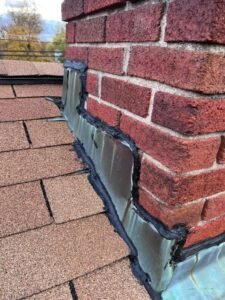
Chimney flashing is the metal material installed where the chimney meets the roof. Its purpose is to create a weather-resistant seal that prevents rainwater from entering the space around the chimney.
When flashing becomes loose, damaged, corroded, or improperly sealed, water can enter the roof structure and surrounding areas.
Common signs of chimney flashing problems include:
- Water stains on ceilings near the chimney
- Dampness in the attic
- Water entering around the fireplace
- Visible gaps between the chimney and roof
- Damaged or rusted flashing material
Depending on the condition, a professional may be able to repair and reseal the existing flashing. If the material is severely deteriorated or incorrectly installed, complete replacement may be necessary.
The final price depends on the chimney’s dimensions, roof pitch, flashing material, and whether additional roof or masonry work is required.
5. Chimney Leak Repair and Waterproofing
Estimated cost: $150–$820+ for common sealing and waterproofing work
Water is one of the most common causes of chimney deterioration. It can enter through damaged crowns, missing caps, cracked masonry, deteriorated mortar joints, and failing roof flashing.
However, finding the actual source of a chimney leak is not always straightforward. Water can travel through the masonry or roof structure before becoming visible inside the home.
Professional chimney leak repair begins with identifying where the moisture is entering. Depending on the problem, the solution may involve:
- Repairing cracked chimney masonry
- Replacing damaged chimney flashing
- Sealing or replacing a chimney crown
- Installing a new chimney cap
- Applying a suitable breathable waterproofing treatment
- Replacing deteriorated bricks or mortar
Chimney waterproofing is particularly useful when the masonry is exposed to repeated moisture. A professional-grade breathable water repellent helps reduce water absorption while allowing moisture vapor within the masonry to escape.
The important thing is to repair the source of the leak rather than simply covering visible stains or applying sealant without identifying the underlying problem.
6. Chimney Flue and Liner Repair
Estimated cost: $1,500–$7,000 for many liner replacement projects
The chimney flue is the passage that carries smoke and combustion gases out of your home. Its liner helps protect the surrounding masonry from heat and combustion byproducts while providing a suitable venting pathway.
Over time, clay flue tiles can crack, deteriorate, or become damaged. Metal liners can also develop problems that affect their condition and performance.
Depending on the damage, repairs may involve replacing individual flue tiles, installing a new liner, or addressing other components of the venting system.
Common signs of possible liner problems include:
- Pieces of clay tile inside the fireplace
- Visible cracks in accessible flue tiles
- Smoke entering the living area
- Poor fireplace draft
- Signs of heat damage around the chimney
A professional inspection is important because liner damage is not always visible from the fireplace opening.
The final cost depends on the chimney’s height, liner diameter, material, appliance requirements, and installation complexity.
7. Partial Chimney Rebuild
Estimated cost: $1,000–$5,000+
Sometimes, chimney deterioration is too extensive for simple masonry repairs. If the upper section of the chimney has significant structural damage, a partial rebuild may be necessary.
This type of project generally involves removing damaged masonry and reconstructing the affected section using appropriate materials.
A partial chimney rebuild may include:
- Removing loose or deteriorated bricks
- Rebuilding the damaged chimney section
- Installing new mortar joints
- Reconstructing the chimney crown
- Addressing related flashing issues
- Installing or replacing a chimney cap when needed
The cost depends on how much of the chimney needs to be reconstructed, the height of the structure, material requirements, and roof access.
8. Complete Chimney Rebuild
Estimated cost: $4,000–$15,000+
When a chimney has severe structural deterioration, extensive cracking, significant masonry failure, or major stability concerns, a complete rebuild may be the most appropriate long-term solution.
Unlike a standard repair, a full chimney rebuild involves reconstructing most or all of the chimney structure.
The project may require demolition of the existing chimney, removal of damaged materials, rebuilding the masonry, installing appropriate chimney components, and ensuring that the completed structure meets applicable building requirements.
Because this is a major construction project, the cost can vary considerably based on chimney height, dimensions, materials, structural conditions, and labor requirements.
A professional assessment helps determine whether repairing the existing chimney is practical or whether rebuilding is the better option.
What Factors Affect Chimney Repair Costs in Philadelphia?
Even when two homeowners need the same type of chimney repair, their final prices may be very different.
Here are the main factors that influence chimney repair costs.
1. Type and Extent of Damage
The most important factor is the actual condition of the chimney.
Repairing a few damaged mortar joints is a relatively limited project. Rebuilding an entire section of brickwork requires significantly more labor and materials.
In some cases, what initially appears to be a small problem may reveal additional deterioration during a professional inspection.
2. Chimney Height and Accessibility
Chimney repairs often require working above the roofline, which can make access a major part of the project.
A tall chimney on a steep roof may require additional safety equipment, specialized access arrangements, or scaffolding.
Philadelphia has many multi-story homes and attached properties, so roof configuration and access can be particularly important when estimating chimney repair work.
3. Chimney Material and Construction
The type of chimney also influences repair costs.
Traditional masonry chimneys, prefabricated systems, and metal chimney structures have different components and repair requirements.
Brick chimneys may require masonry work, mortar replacement, and waterproofing. Metal systems may require different components, connections, or liner-related repairs.
Using compatible materials is important for the long-term performance of the repair.
4. Water Damage and Previous Repairs
Moisture can cause multiple problems within a chimney.
For example, a damaged crown may allow water to enter the masonry. Over time, this moisture can contribute to deteriorating mortar, damaged bricks, and interior water stains.
Previous repairs can also affect the scope of work. Improper materials or incomplete repairs may need to be addressed before a lasting solution can be completed.
5. Labor and Project Complexity
Some chimney repairs can be completed within a relatively short service visit. Others require multiple stages of work, specialized equipment, and additional preparation.
The amount of labor required, the number of technicians involved, and the complexity of the project all influence the final price.
Why Are Chimney Repairs Important for Philadelphia Homeowners?
Philadelphia experiences seasonal weather changes, including rain, snow, and freezing temperatures. These conditions can place ongoing stress on exterior masonry.
When water enters small cracks or deteriorated mortar joints, freezing temperatures can contribute to further expansion and damage. Repeated exposure can gradually weaken the chimney structure.
Older masonry chimneys may be especially vulnerable when they have not received regular maintenance.
Addressing problems early can help homeowners avoid more extensive repairs later.
For example:
- Repairing small mortar cracks can help prevent further masonry deterioration.
- Replacing a damaged chimney crown can help reduce water intrusion.
- Installing a chimney cap can help keep rain and debris out of the flue.
- Repairing flashing can help prevent roof leaks around the chimney.
- Replacing a damaged liner can help restore the chimney’s proper venting system.
Regular chimney inspections can help identify these problems before they become more complicated and expensive to address.
How Do You Know When Your Chimney Needs Repair?
Some chimney problems are easy to recognize, while others develop gradually and remain hidden until significant damage has occurred.
Here are some common warning signs that may indicate your chimney needs professional attention:
Cracked or Missing Bricks: Visible cracks, loose bricks, or missing masonry can indicate deterioration that needs to be evaluated.
Crumbling Mortar Joints: If the mortar between your chimney bricks is falling apart, repointing or other masonry repairs may be necessary.
Water Leaks: Water stains near the fireplace, dampness around the chimney, or moisture in the attic may indicate problems with flashing, the crown, or exterior masonry.
White Staining on Bricks: White mineral deposits, often called efflorescence, can indicate moisture moving through the masonry.
Damaged Chimney Crown: Cracks or missing sections in the crown can allow water to enter the chimney structure.
Missing or Damaged Chimney Cap: A damaged or missing cap can expose the flue to rain, debris, and animals.
Chimney Leaning or Separation: A visibly leaning chimney or separation from the surrounding structure requires prompt professional evaluation.
If you notice any of these conditions, arranging a professional inspection can help determine the cause and appropriate repair.
Is It Better to Repair or Rebuild a Chimney?
This is one of the most important decisions homeowners face when dealing with significant chimney damage.
The answer depends on the extent of deterioration and whether the existing structure can be restored safely.
| Condition | Potential Solution | General Cost Level |
|---|---|---|
| Small mortar cracks | Localized masonry repair | Lower |
| Deteriorated mortar joints | Repointing or tuckpointing | Moderate |
| Cracked chimney crown | Crown repair or replacement | Low to moderate |
| Damaged chimney flashing | Flashing repair or replacement | Moderate |
| Damaged chimney liner | Liner repair or replacement | Moderate to high |
| Extensive brick deterioration | Masonry reconstruction | High |
| Major structural damage | Partial or complete rebuild | High |
A chimney that has a few isolated cracks may not need extensive reconstruction. However, if the masonry is severely deteriorated or the structure has become unstable, rebuilding may be the more appropriate solution.
A professional should evaluate the entire chimney before recommending a major project. This helps ensure that the repair addresses the underlying problem rather than temporarily covering visible damage.
How Can You Avoid Expensive Chimney Repairs?
Although some chimney deterioration is unavoidable, regular maintenance can help reduce the likelihood of major repair projects.
Here are several practical ways to protect your chimney:
Schedule Annual Inspections: Have your chimney professionally inspected at least once a year. An inspection can help identify deteriorating masonry, damaged components, and potential safety concerns.
Address Small Cracks Early: Do not ignore damaged mortar joints, cracked crowns, or loose bricks. Small problems can become more extensive when moisture continues to enter the structure.
Keep Your Chimney Cap in Good Condition: A properly installed cap helps prevent rain, debris, and animals from entering the flue.
Consider Professional Waterproofing: Suitable breathable waterproofing products can help protect masonry from moisture absorption.
Maintain Your Fireplace and Flue: Regular cleaning and maintenance help keep the chimney system in proper working condition.
Pay Attention to Water Leaks: If you notice moisture around the chimney, have the source identified instead of simply covering the visible stain.
Preventive maintenance is generally more manageable than waiting until multiple chimney components require replacement.
What Should You Ask Before Hiring a Chimney Repair Company?
Before choosing a chimney contractor in Philadelphia, it is worth taking the time to understand exactly what is included in the proposed repair.
Here are some important questions to ask:
- What is causing the chimney damage?
- Which components need to be repaired or replaced?
- Is the proposed work a temporary repair or a long-term solution?
- What materials will be used?
- Does the estimate include labor and cleanup?
- Are permits required for the proposed work?
- Is the company properly insured?
- Will I receive a written estimate before work begins?
- Is there a warranty on the completed repair?
A reliable chimney professional should be able to explain the problem, describe the recommended solution, and provide a clear estimate.
Be cautious of contractors who recommend expensive repairs without explaining what is damaged or why the work is necessary.
How Much Should You Budget for Chimney Repair in Philadelphia?
For general planning, a homeowner dealing with a minor chimney problem may need a few hundred dollars, while more extensive masonry, flashing, liner, or structural work can cost several thousand dollars.
A practical budgeting overview looks like this:
| Repair Category | General Budget |
|---|---|
| Minor chimney repairs | $150–$850 |
| Crown, cap, and flashing work | $200–$1,800+ |
| Masonry and mortar repairs | $500–$3,500+ |
| Chimney liner replacement | $1,500–$7,000 |
| Partial chimney rebuild | $1,000–$5,000+ |
| Complete chimney rebuild | $4,000–$15,000+ |
These are broad planning ranges rather than a price list. Some projects may fall outside them depending on the chimney’s condition and the amount of work involved.
The best way to determine your actual chimney repair cost is to have the structure evaluated by a qualified professional. This allows the contractor to identify the source of the damage and recommend the appropriate work.
Professional Chimney Repair in Philadelphia, PA
Your chimney is an important part of your home’s structure and ventilation system. Whether you are dealing with cracked bricks, deteriorating mortar, water leaks, a damaged crown, or a more extensive structural problem, addressing the issue properly can help protect your home and avoid further deterioration.
Since 2017, Sammy’s Chimney Services has helped homeowners throughout Philadelphia, Pennsylvania, and surrounding areas in Pennsylvania and New Jersey with professional chimney repair and maintenance.
Our services include chimney masonry repair, tuckpointing, chimney crown repair and replacement, chimney cap installation, flashing repair, chimney waterproofing, liner installation, leak detection, and complete chimney rebuilds.
We focus on understanding the condition of each chimney, recommending appropriate solutions, and delivering quality workmanship with attention to detail.
Whether you need a small chimney repair or a more extensive restoration project, our team is here to help.
Looking for professional chimney repair in Philadelphia, PA? Contact Sammy’s Chimney Services today to discuss your chimney concerns and schedule a professional evaluation.